
Raccoons, with their cute faces and distinctive black mask-like markings, are undeniably fascinating creatures. While they might be adorable in photos and videos, the idea of keeping a raccoon as a pet raises several questions, particularly when it comes to legality, safety, and ethical concerns. In this comprehensive article, we will explore the complex world of raccoon ownership, diving into the various laws, regulations, and considerations that come into play.
The Appeal of Raccoon Ownership
Before we delve into the legalities, let’s understand why some people are drawn to the idea of owning a raccoon. Raccoons are highly intelligent animals, known for their problem-solving abilities and dexterous paws. Their curious nature and distinctive personalities make them intriguing companions for those who seek unconventional pets. However, it’s essential to remember that raccoons are not domesticated animals, and their wild instincts are deeply ingrained.
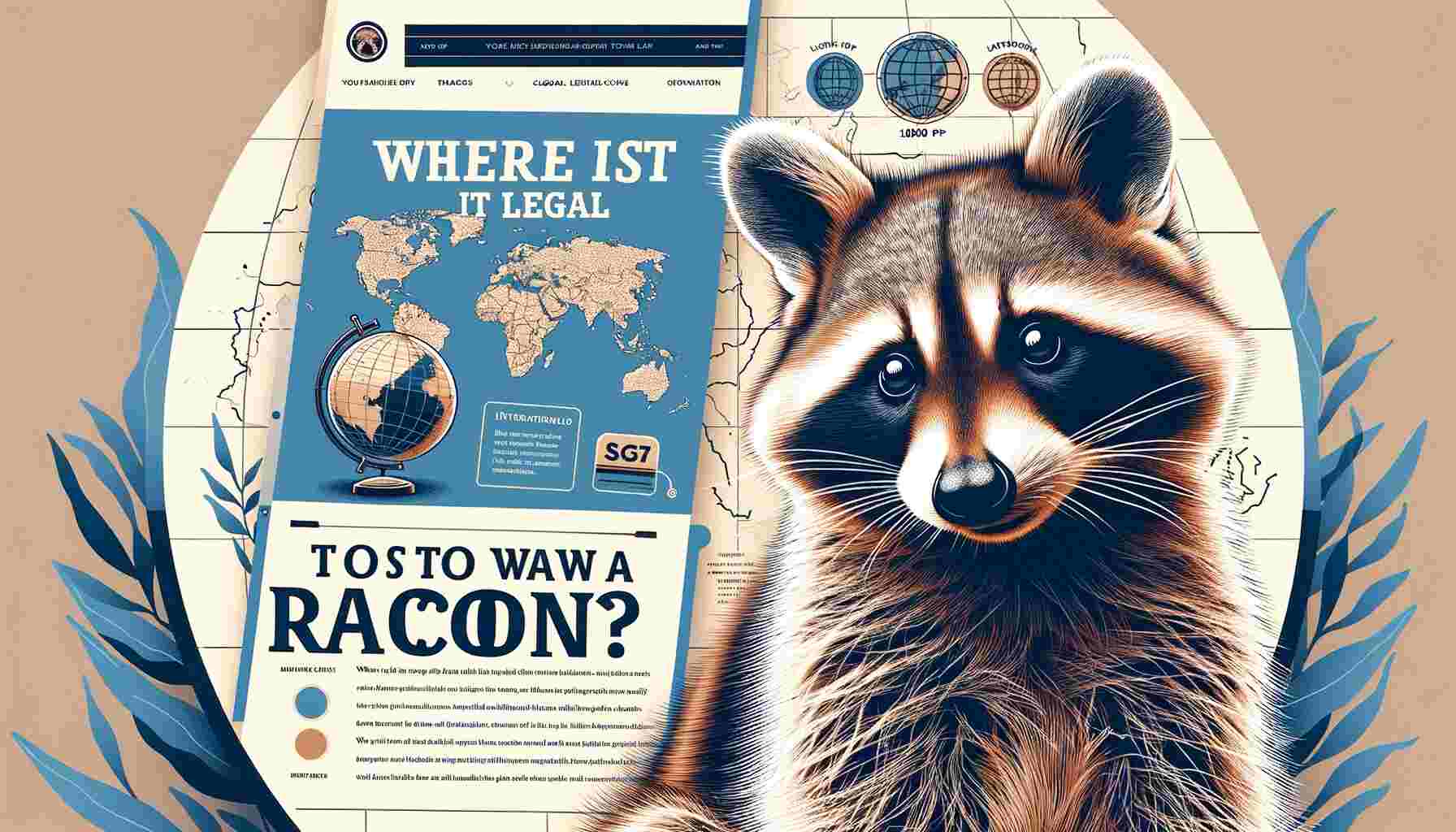
The Legal Landscape: Where is it Legal to Own a Raccoon?
Raccoon ownership is a subject of considerable variation in legality depending on where you live. It’s essential to be aware that raccoons are wild animals, and many countries, states, and municipalities have strict regulations regarding their ownership. Here’s a breakdown of the legal landscape in different regions:
United States
In the United States, raccoon ownership is subject to state regulations. Some states, like South Carolina and Oklahoma, allow raccoon ownership with proper permits and licenses. Others, such as California and New York, prohibit it entirely. Most states fall somewhere in between, permitting ownership under specific conditions, like educational or wildlife rehabilitation purposes.
To ascertain the exact regulations in your state, it’s crucial to consult your local wildlife agency or department.
Canada
Canada, like the United States, has varying regulations regarding raccoon ownership. Provinces and territories set their own rules. For example, Alberta permits raccoon ownership with a license, while British Columbia strictly prohibits it.
Always consult your local wildlife or environmental agency for accurate information on raccoon ownership regulations in your area.
European Union
In the European Union, raccoon ownership is generally discouraged, if not prohibited. Raccoons are considered invasive species in many European countries, and owning them as pets is not only illegal but can also have severe ecological consequences.
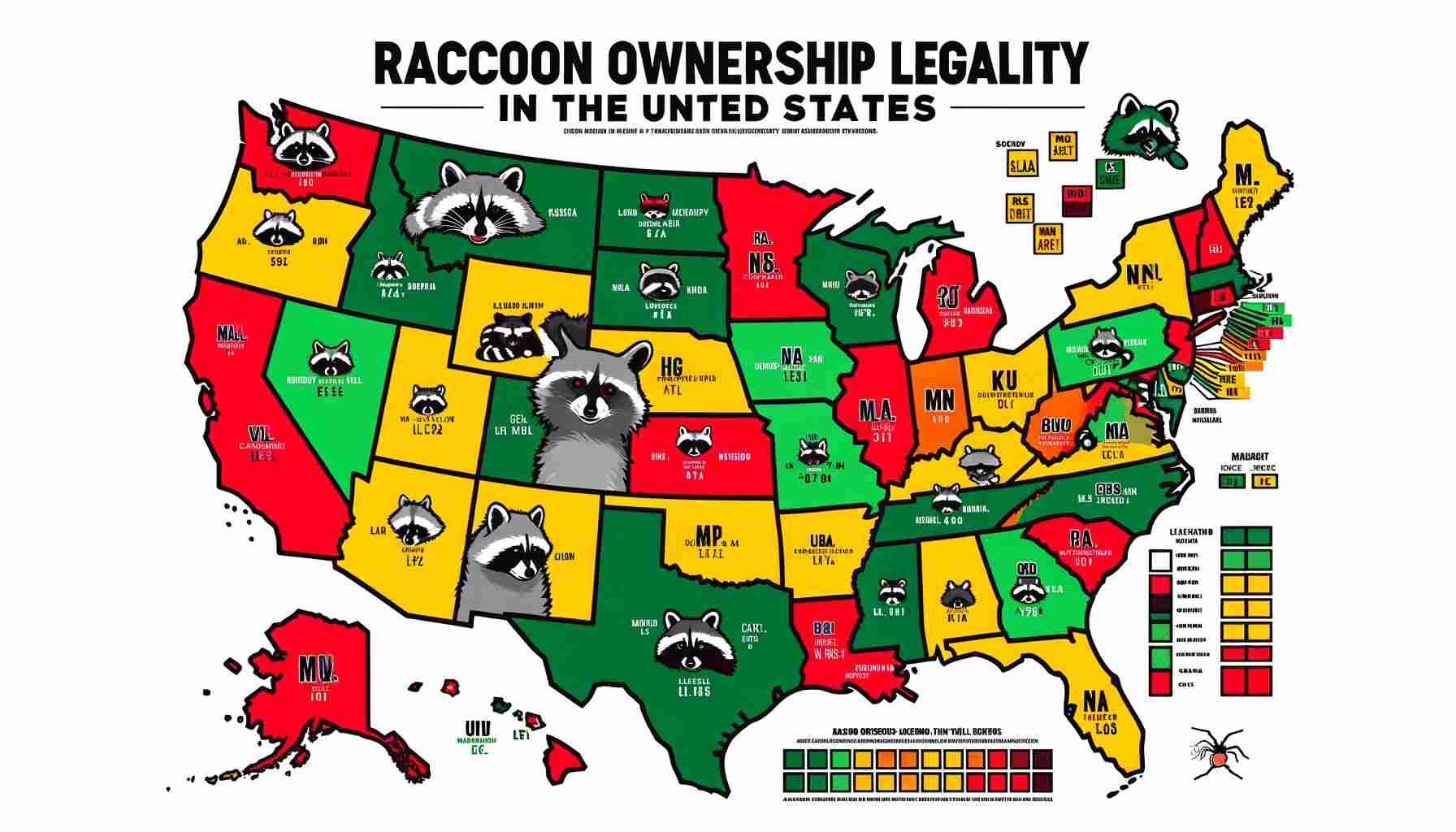
Raccoon Ownership Legality in the United States
| State | Legality Status |
|---|---|
| Alabama | Permit Required |
| Alaska | Illegal |
| Arizona | Illegal |
| Arkansas | Permit Required |
| California | Illegal |
| Colorado | Illegal |
| Connecticut | Permit Required |
| Delaware | Permit Required |
| Florida | Permit Required |
| Georgia | Permit Required |
| Hawaii | Illegal |
| Idaho | Permit Required |
| Illinois | Permit Required |
| Indiana | Permit Required |
| Iowa | Illegal |
| Kansas | Permit Required |
| Kentucky | Permit Required |
| Louisiana | Permit Required |
| Maine | Illegal |
| Maryland | Illegal |
| Massachusetts | Illegal |
| Michigan | Permit Required |
| Minnesota | Permit Required |
| Mississippi | Permit Required |
| Missouri | Permit Required |
| Montana | Permit Required |
| Nebraska | Permit Required |
| Nevada | Illegal |
| New Hampshire | Permit Required |
| New Jersey | Illegal |
| New Mexico | Permit Required |
| New York | Illegal |
| North Carolina | Permit Required |
| North Dakota | Permit Required |
| Ohio | Permit Required |
| Oklahoma | Permit Required |
| Oregon | Illegal |
| Pennsylvania | Permit Required |
| Rhode Island | Illegal |
| South Carolina | Permit Required |
| South Dakota | Permit Required |
| Tennessee | Permit Required |
| Texas | Varies by County |
| Utah | Permit Required |
| Vermont | Illegal |
| Virginia | Permit Required |
| Washington | Illegal |
| West Virginia | Permit Required |
| Wisconsin | Permit Required |
| Wyoming | Permit Required |
Notes:
- Permit Required: Legal with specific permits or licenses, often with conditions regarding enclosure, care, and purpose (like education or rehabilitation).
- Illegal: Raccoon ownership is prohibited.
- Varies by County: Regulations differ significantly within the state; local county laws should be consulted.
This table provides a general overview, but regulations are subject to change and can vary in detail and enforcement. It’s critical to obtain the most recent and detailed information from state wildlife agencies or legal experts. Additionally, even in states where ownership is legal with a permit, there are often stringent requirements to ensure the welfare of the animal and public safety.
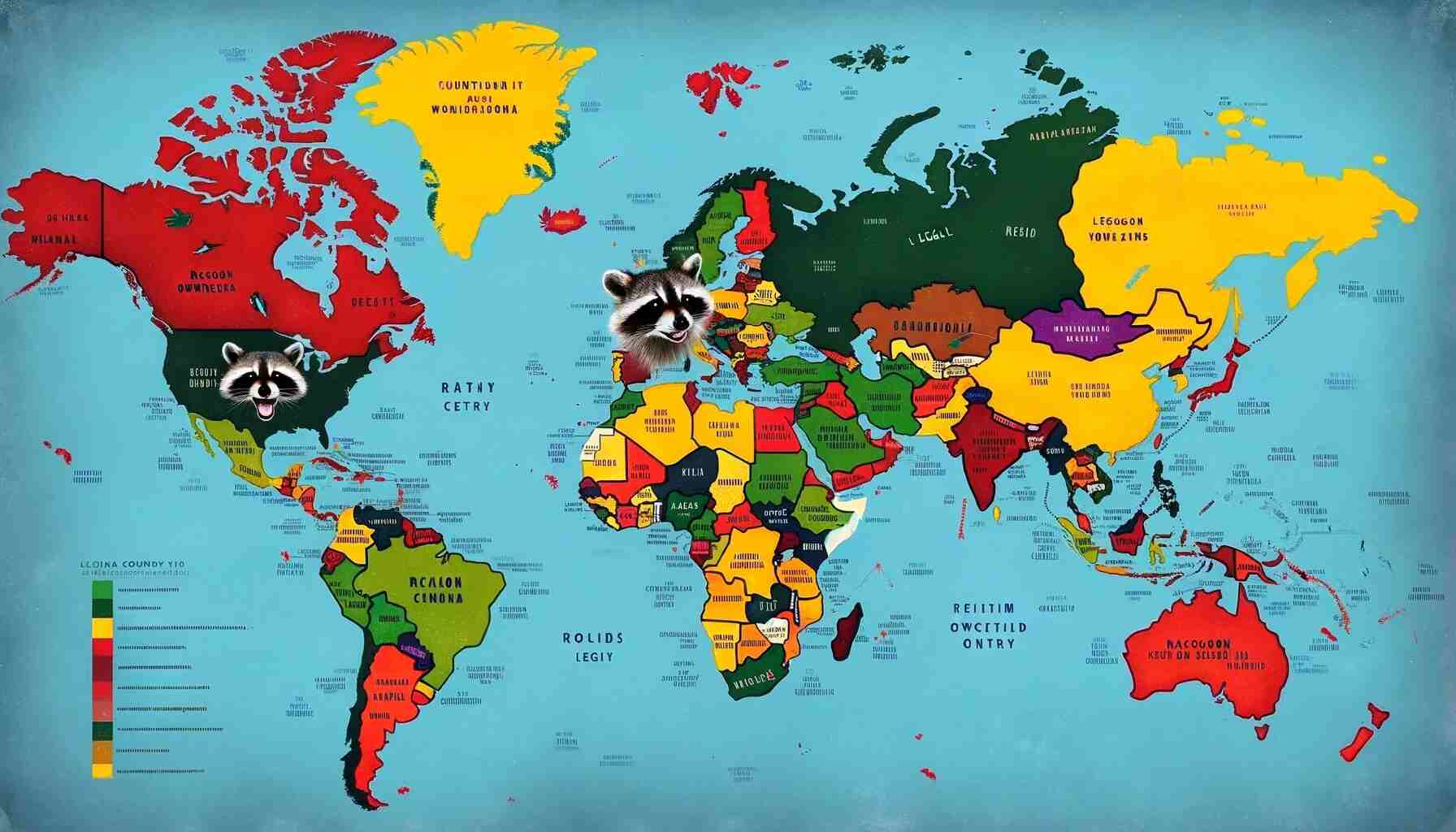
Raccoon Ownership Legality Around the World
| Region / Country | Legality Status | Notes |
|---|---|---|
| United States | ||
| California | Illegal | |
| New York | Illegal | |
| South Carolina | Legal with Permit | |
| Oklahoma | Legal with Permit | |
| Texas | Varies by County | |
| Florida | Legal with Permit | |
| Canada | ||
| Alberta | Legal with Permit | |
| British Columbia | Illegal | |
| Ontario | Varies by Municipality | |
| Quebec | Varies by Municipality | |
| European Union | ||
| Germany | Generally Illegal | Considered invasive species |
| France | Illegal | |
| Spain | Illegal | |
| Italy | Legal with Restrictions | |
| UK | Legal with Restrictions | Non-native species license required |
| Asia | ||
| Japan | Legal with Restrictions | Subject to prefecture laws |
| China | Generally Illegal | Varies by region |
| South Korea | Legal with Restrictions | Requires registration |
| Oceania | ||
| Australia | Illegal | |
| New Zealand | Illegal |
Notes:
- Legal with Permit: Ownership is legal but requires specific permits or licenses.
- Varies by County/Municipality: Laws differ significantly within the country, and local regulations should be consulted.
- Legal with Restrictions: Legal, but subject to specific conditions such as registration, special enclosures, or health checks.
- Generally Illegal: While there may be exceptions, the general rule is prohibition.
This table is a simplified overview and may not cover all specific scenarios or regions. It is essential to consult local wildlife agencies or legal experts for the most accurate and up-to-date information regarding raccoon ownership laws in your specific area. Additionally, keep in mind that laws and regulations can change, so regular updates from official sources are advisable.
The Importance of Permits and Licensing
If you live in a region where raccoon ownership is legal under specific conditions, obtaining the necessary permits and licenses is crucial. These permits typically come with stringent requirements, including proper enclosures, veterinary care, and documentation of the raccoon’s source. Failure to comply with these regulations can result in fines, confiscation of the animal, or even legal consequences.
Ethical Considerations
Beyond legality, prospective raccoon owners should consider the ethical implications of keeping a wild animal as a pet. Raccoons have complex needs and behaviors that are difficult to meet in a domestic setting. Here are some ethical considerations to ponder:
1. Natural Behaviors: Raccoons are nocturnal, highly active, and intelligent animals. Captivity can lead to boredom, stress, and behavioral problems.
2. Disease Risk: Raccoons can carry zoonotic diseases, which can be transmitted to humans. Regular veterinary care and hygiene precautions are essential.
3. Wildlife Rehabilitation: If you find an injured or orphaned raccoon, it’s better to contact a licensed wildlife rehabilitator who can provide proper care and, if possible, release the animal back into the wild.
Safety Concerns
Raccoons may be charming, but they are not domesticated like dogs or cats. They have sharp teeth and claws and can become aggressive when stressed or threatened. Handling raccoons without the necessary expertise can lead to injuries. Moreover, raccoons are skilled escape artists, and even well-constructed enclosures may not always contain them.
Alternatives to Ownership
For those enamored with raccoons but hesitant to keep them as pets, there are alternative ways to appreciate these creatures:
1. Wildlife Watching: You can observe raccoons in their natural habitat by setting up wildlife cameras or visiting local parks and natural areas.
2. Support Wildlife Rehabilitation: Many organizations rescue, rehabilitate, and release injured or orphaned raccoons. You can support these efforts through donations or volunteering.
3. Learn About Raccoons: Educate yourself about raccoons through books, documentaries, and online resources. Understanding their natural behaviors and habitat can be rewarding in itself.
Conclusion
In the world of exotic pet ownership, raccoons occupy a unique and challenging space. While the idea of having one as a pet may be appealing to some, it’s essential to navigate the complex legal, ethical, and safety considerations that come with it. Always prioritize the welfare of the raccoon and the preservation of their species in the wild.
If you find yourself in a region where raccoon ownership is legal, do your due diligence, obtain the necessary permits, and provide the best possible care for these remarkable creatures. However, for most people, appreciating raccoons from a distance and supporting wildlife conservation efforts is the best way to ensure their well-being and survival in the wild.