
If you’re trying to narrow down the best hiking trails in the United States, the hard part isn’t finding good options – it’s choosing where to start. From dramatic desert ridges and glacier-carved valleys to coastal cliff paths and bucket-list backpacking routes, the U.S. is packed with amazing hiking trails for every skill level.
This guide from Outdoor Doer is built to help you do more than admire pretty photos. We’re focusing on scenic payoff, trail character, difficulty, permits, camping options, and practical planning details so you can actually choose a trail that fits your experience, schedule, and style of adventure.
Hiking keeps getting more popular for a reason: it’s accessible, flexible, and one of the best ways to experience wild places up close.
“In 2025, hiking was the most popular outdoor activity in the United States, with 63.6 million participants.” – SGB Media
And the places people are exploring keep drawing huge interest too.
“In 2025, the National Park Service recorded over 323 million recreation visits, with 26 parks setting new visitation records.” – National Park Service
So if you’ve been searching for beautiful hiking trails, must see hiking trails, or simply the best trails for hiking on your next trip, this list is designed to give you a better, more useful shortlist than the typical roundup.
How We Chose These Trails
Competitor articles tend to repeat the same famous hikes without giving enough decision-making context. Outdoor Doer takes a more practical approach. These 15 picks were chosen based on:
- Scenic impact
- Uniqueness of terrain
- Trail experience from start to finish
- Variety of difficulty levels
- Geographic spread across the U.S.
- Day hike and backpacking balance
- Camping and trip-planning potential
- Realistic value for beginners and experienced hikers
That means this list includes iconic popular hiking spots, but also a few routes that offer a better overall day on the trail than some of the more overhyped names.
Quick Comparison Table
| Trail | State | Distance | Difficulty | Best For | Camping |
|---|---|---|---|---|---|
| Half Dome Trail | California | ~14 to 16 miles RT | Strenuous | Iconic summit challenge | Nearby backpacking with permit |
| Kalalau Trail | Hawaii | 22 miles RT | Strenuous | Coastal wilderness | Yes |
| John Muir Trail | California | 211 miles | Very strenuous | Legendary backpacking | Yes |
| Beehive Loop Trail | Maine | ~1.4 to 1.5 miles | Moderate to strenuous | Short but thrilling | Nearby park camping |
| Grand Canyon Rim to River | Arizona | ~14 to 17 miles | Very strenuous | Canyon scale and challenge | Campground/lodge options |
| Highline Trail to Grinnell Glacier Overlook | Montana | ~15 miles RT | Strenuous | Big alpine views | Backcountry possible |
| Cascade Pass to Sahale Arm | Washington | ~12 miles RT | Strenuous | North Cascades scenery | Yes |
| Franconia Ridge Loop | New Hampshire | ~8.5 to 9 miles | Strenuous | Classic ridgeline hiking | Nearby camping |
| Angel’s Landing | Utah | ~4.4 miles RT | Strenuous | Exposure and dramatic views | Nearby camping |
| Big Pine Lakes | California | ~15 miles RT | Strenuous | Turquoise alpine lakes | Yes |
| Teton Crest Trail | Wyoming | ~40 miles | Very strenuous | Premier mountain traverse | Yes |
| Avalanche Lake | Montana | ~5.9 miles RT | Moderate | Family-friendly scenery | Nearby camping |
| Longs Peak | Colorado | ~14 to 15 miles RT | Very strenuous | 14er summit goal | Backcountry permit needed |
| Havasupai Trail | Arizona | ~20+ miles depending on itinerary | Strenuous | Waterfalls and multi-day adventure | Yes |
| Lost Coast Trail | California | ~25 to 38 miles | Strenuous | Remote coastal backpacking | Yes |
1. Half Dome Trail, Yosemite National Park, California
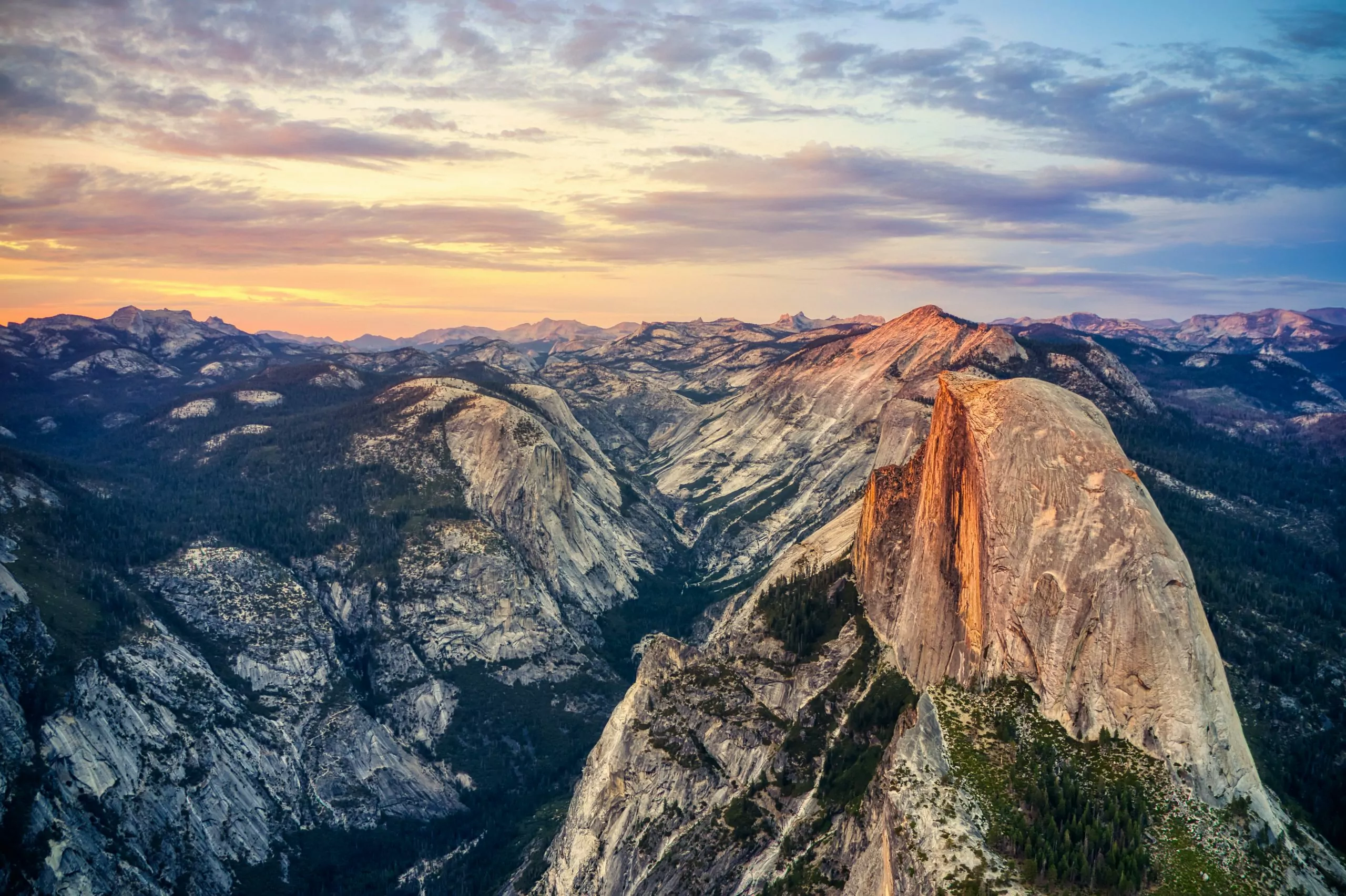
Half Dome is one of the best hiking trails in the country if you want a true accomplishment story. This is not just a scenic walk – it’s an all-day effort with major elevation gain, famous cable sections, and huge Yosemite views.
Why it stands out
- One of the most recognizable summits in America
- Waterfalls, granite walls, and panoramic valley views
- A trail that feels iconic from start to finish
Know before you go
- You need a permit for the cable route
- Start very early
- This is a poor choice for anyone uncomfortable with exposure or steep drop-offs
- Best attempted in stable weather
Outdoor Doer tip
If Half Dome is your goal, train for endurance rather than just mileage. Long uphill days, heat management, and steady pacing matter more here than raw speed.
2. Kalalau Trail, Na Pali Coast, Hawaii
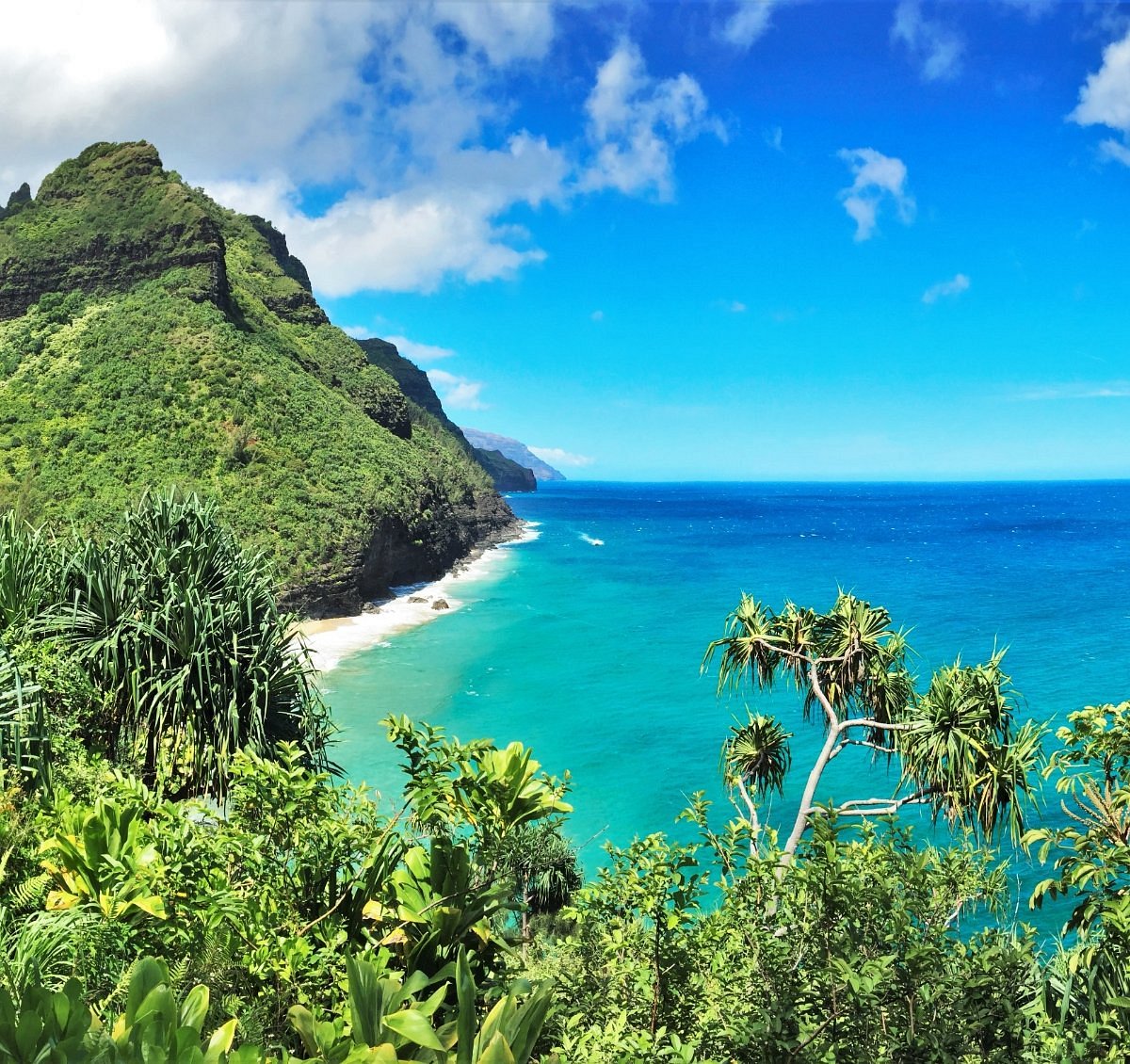
For many hikers, this is the ultimate coastal route in the U.S. The Kalalau Trail delivers towering green cliffs, ocean views, stream crossings, and a raw sense of remoteness that’s hard to match.
Why it stands out
- One of the most beautiful hiking trails in America
- A rare combination of jungle, cliffs, and beach wilderness
- Strong backpacking appeal for hikers who want more than a simple day trip
Know before you go
- Mud, heat, and narrow exposed sections are real hazards
- Ocean conditions can be deadly; scenic beaches are not always safe for swimming
- Permits are required beyond the initial sections
Outdoor Doer tip
This is one of those trails for hiking where weather can completely change the experience. Pack dry storage for electronics, extra socks, and a conservative attitude about stream crossings.
3. John Muir Trail, California
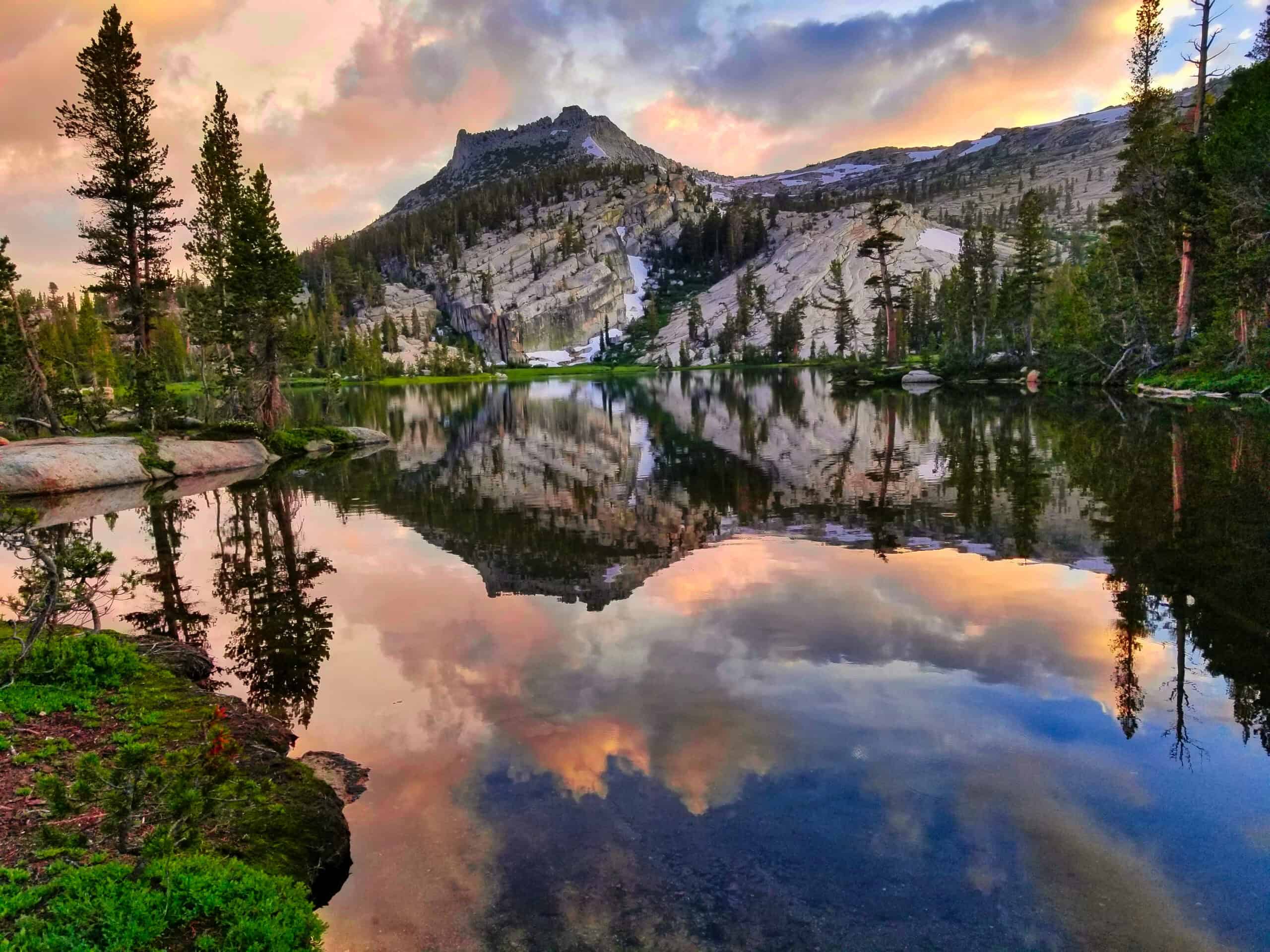
If you’re after the classic American backpacking dream, the John Muir Trail belongs near the top of your list. It runs through the Sierra Nevada with a steady stream of granite basins, high passes, lakes, meadows, and unforgettable camps.
Why it stands out
- One of the great long-distance us hiking trails
- Links Yosemite, Kings Canyon, and Sequoia landscapes
- Serious wilderness immersion
Best for
- Experienced backpackers
- Hikers building toward longer thru-hikes
- Anyone who wants hiking trails and camping combined at the highest level
Outdoor Doer tip
A successful JMT trip is often won in the planning phase. Test your pack weight early, lock in food strategy, and learn permit logistics months ahead.
4. Beehive Loop Trail, Acadia National Park, Maine
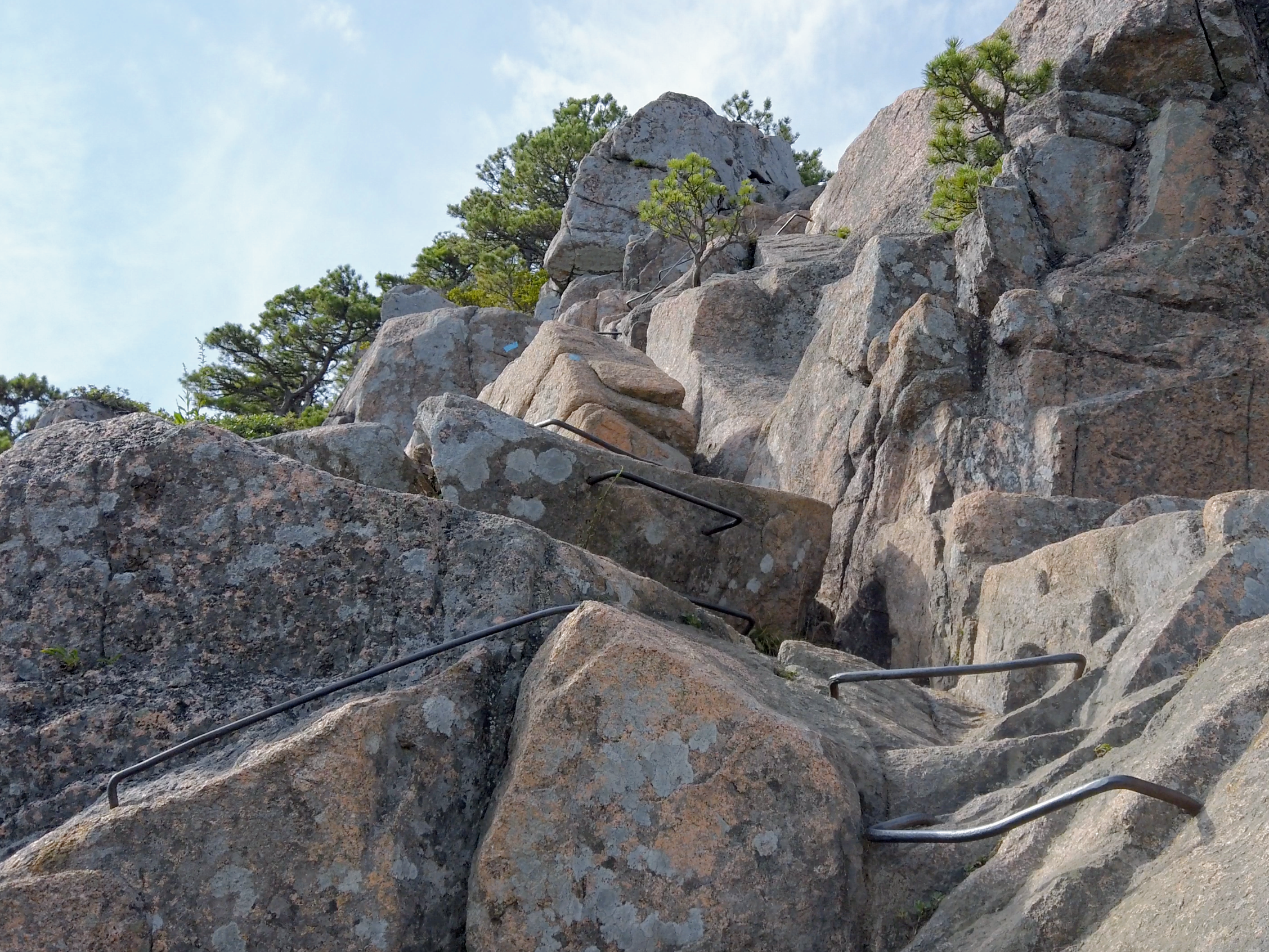
Not all great hiking trails need huge mileage. The Beehive packs ladder rungs, exposed granite, and Atlantic views into a short route that feels far bigger than its numbers.
Why it stands out
- Short but memorable
- Excellent for travelers with limited time
- One of the best short nature hiking trails in the U.S.
Know before you go
- Not suitable for anyone with a fear of heights
- Avoid in wet conditions
- Go early to beat crowds and enjoy cooler temps
Outdoor Doer tip
Pair this with other Acadia hikes to build a full day. It’s a perfect reminder that popular hiking doesn’t always mean long mileage.
5. Grand Canyon Rim to River, Arizona
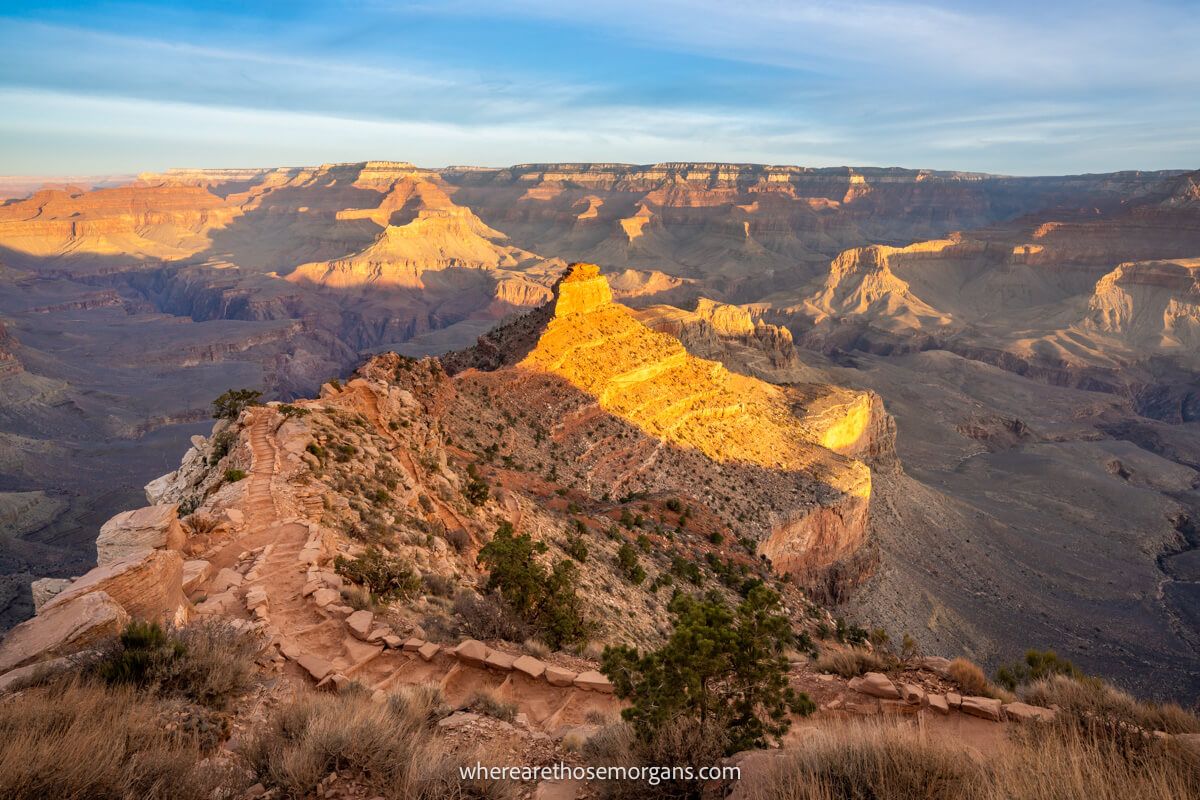
This is one of the must see hiking trails in the U.S. not because it’s pleasant, but because it’s unforgettable. Descending into the canyon gives you a much more powerful sense of scale than any overlook ever could.
Why it stands out
- A truly immersive canyon experience
- Massive geological drama
- One of the best hikes for understanding desert exposure and elevation reality
The catch
The climb out is the real challenge. Many hikers underestimate the return because downhill starts feel easy.
Outdoor Doer tip
If you’re not fully prepared, split it with an overnight. Water planning, electrolyte intake, and season choice matter more here than almost anywhere else on this list.
6. Highline Trail to Grinnell Glacier Overlook, Glacier National Park, Montana
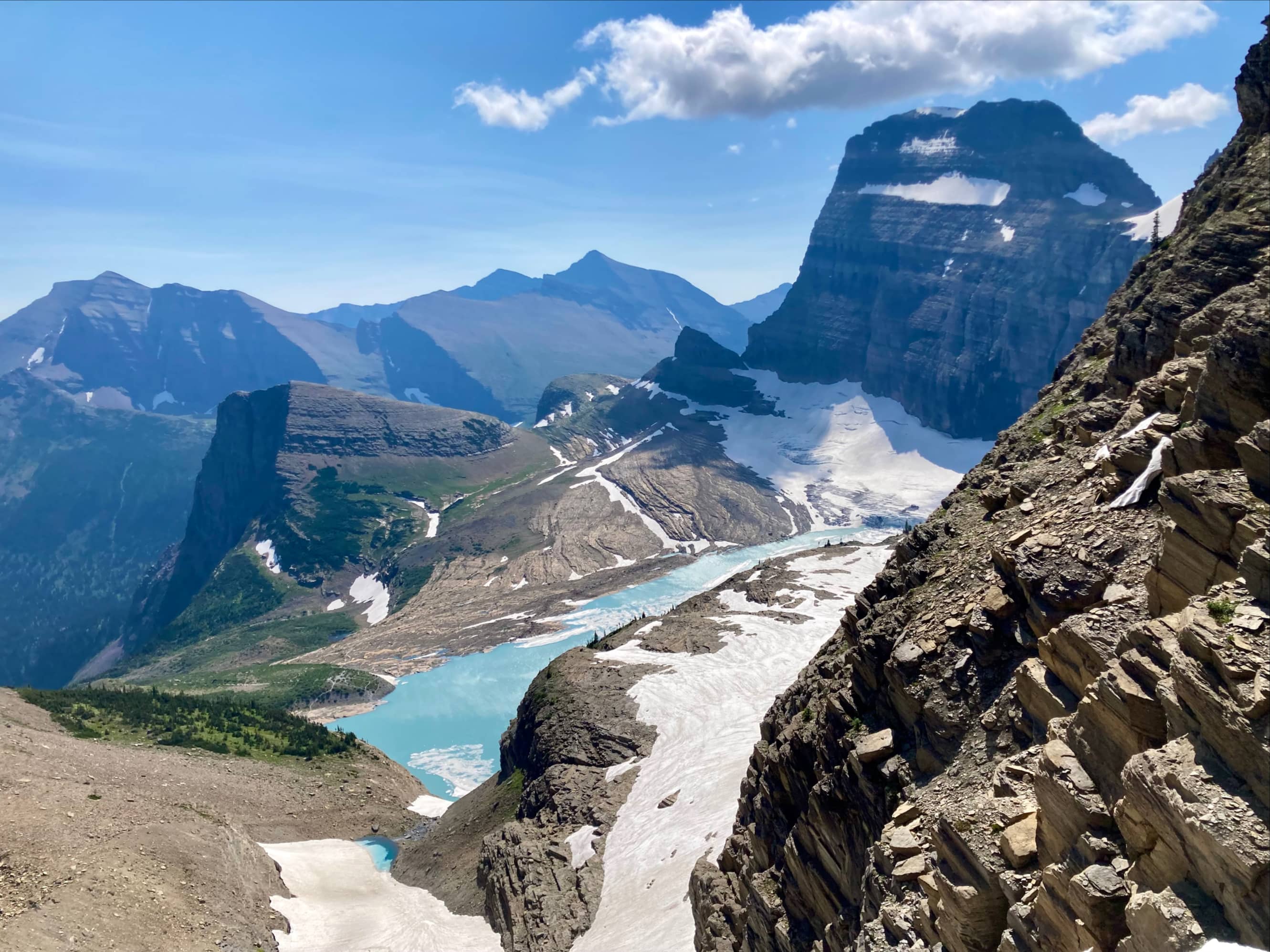
This route offers one of the best combinations of accessible alpine scenery and serious reward anywhere in the country. The traverse along the Garden Wall is spectacular, and the climb to the overlook adds a dramatic finish.
Why it stands out
- Big scenery almost the entire way
- Strong wildlife potential
- Ideal for hikers who want top hiking trails without committing to a full backpacking trip
Know before you go
- Glacier country means bear awareness is essential
- Trail snow can linger
- Parking and shuttle logistics take planning
Outdoor Doer tip
Carry bear spray where legal and know how to use it. In grizzly country, safety is part of the skill set, not an optional extra.
7. Cascade Pass to Sahale Arm, North Cascades National Park, Washington
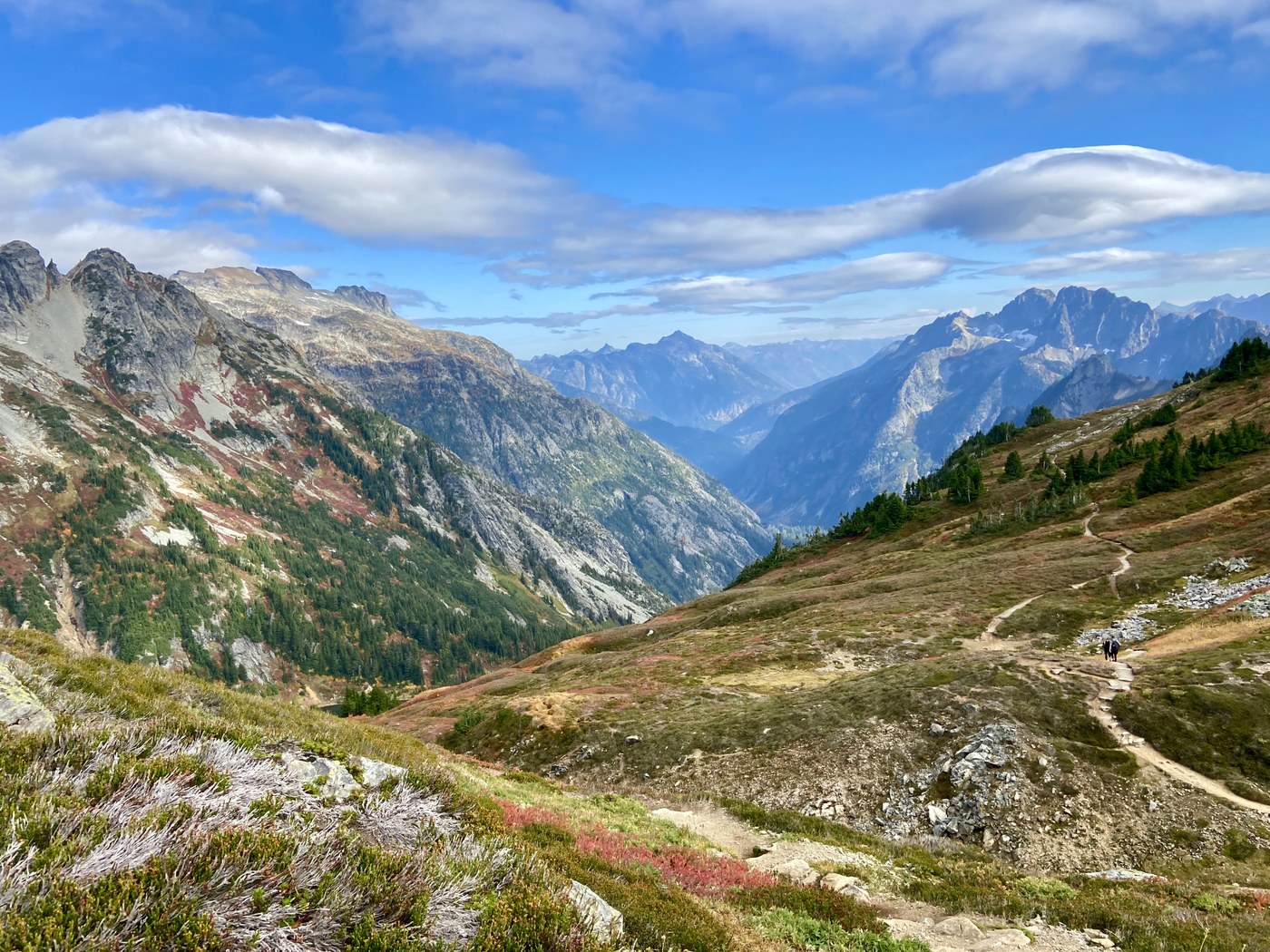
If you want nature hiking with a wild alpine feel, this route is hard to beat. The North Cascades deliver steep relief, glaciers, goats, and some of the most rugged mountain scenery in the Lower 48.
Why it stands out
- Beautiful hiking trails with strong backpacking potential
- High payoff for a moderate-to-long day
- Great introduction to North Cascades grandeur
Best for
- Strong day hikers
- Aspiring backpackers
- Photographers chasing dramatic terrain
Outdoor Doer tip
This is one of the best hiking trails in Washington for an overnight if you can secure a permit. Sunrise and sunset light up the peaks in a way a day trip often misses.
8. Franconia Ridge Loop, New Hampshire
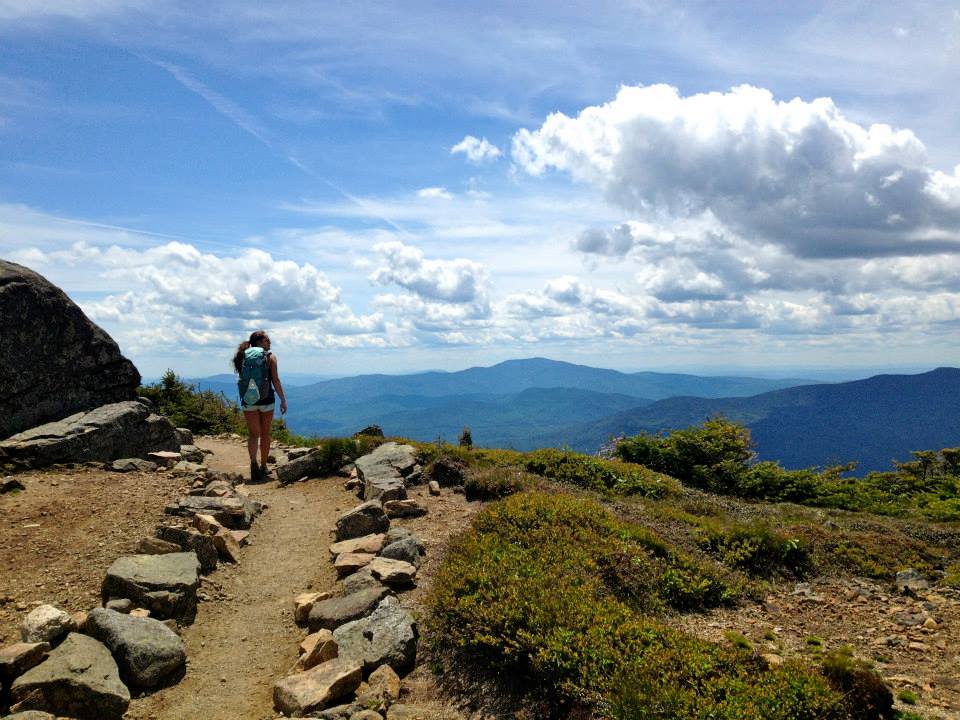
Franconia Ridge is one of the prettiest ridge walks in the East. Once above treeline, the route feels open, dramatic, and far bigger than many first-time White Mountains hikers expect.
Why it stands out
- Classic New England alpine experience
- Stunning ridgeline walking
- One of the best hiking trails in the Northeast
Know before you go
- Weather changes fast
- Wind exposure can be serious
- This is not a trail to underestimate just because it’s in the East
Outdoor Doer tip
In shoulder seasons, bring layers beyond what the forecast seems to justify. Conditions up hiking trails on exposed ridges can feel much harsher than at the trailhead.
9. Angel’s Landing, Zion National Park, Utah
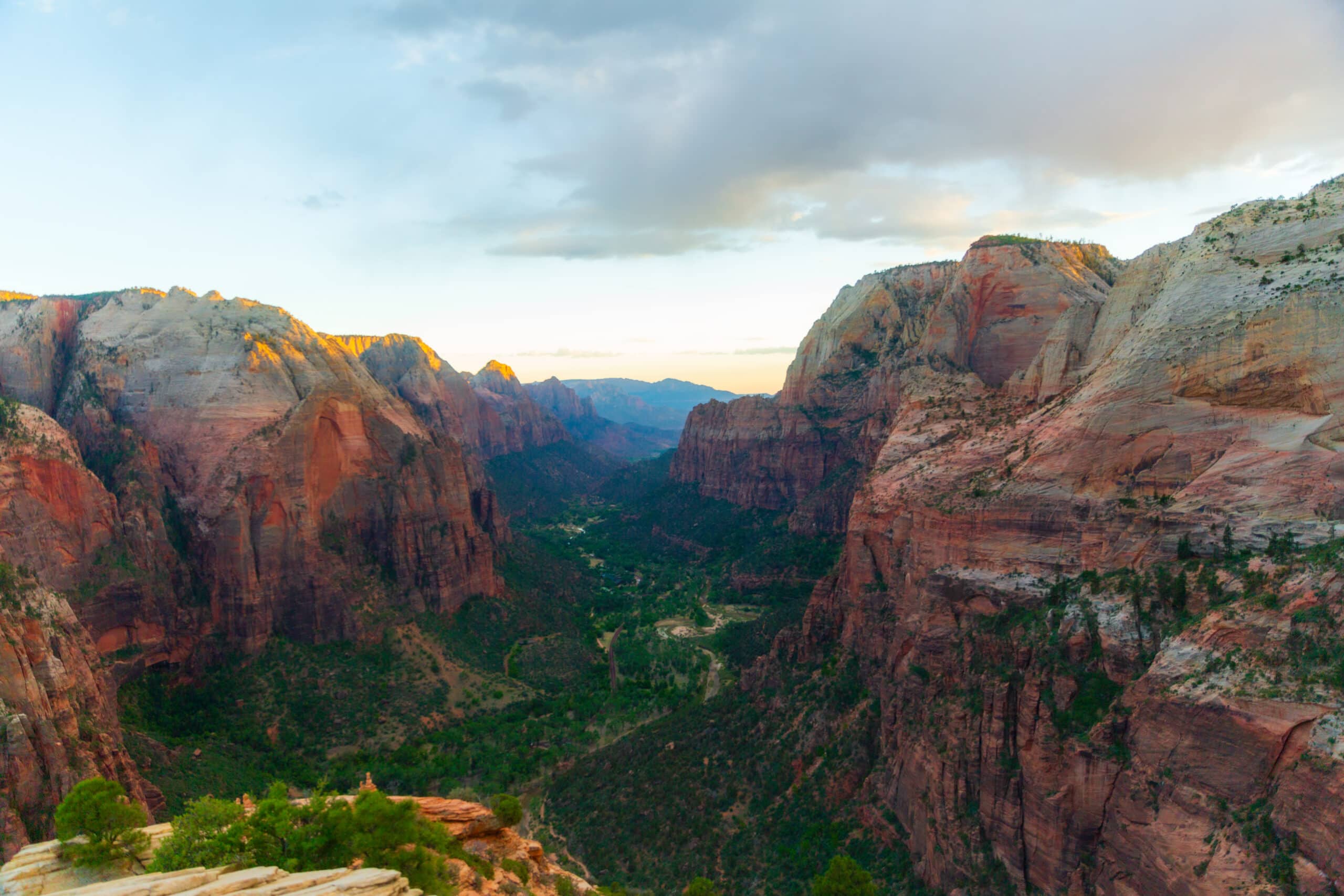
Angel’s Landing remains one of the most famous hiking trails in America for good reason. It’s short, intense, and unforgettable, with chain-assisted sections and sweeping canyon views.
Why it stands out
- High adrenaline, high reward
- One of the most popular hiking trails in the Southwest
- Great for hikers who want a short but serious challenge
Important note
A permit is required for the chained final section.
Outdoor Doer tip
If heights aren’t your thing, consider Scout Lookout instead. You still get an excellent Zion experience without forcing a sketchy decision on the trail.
10. Big Pine Lakes, California
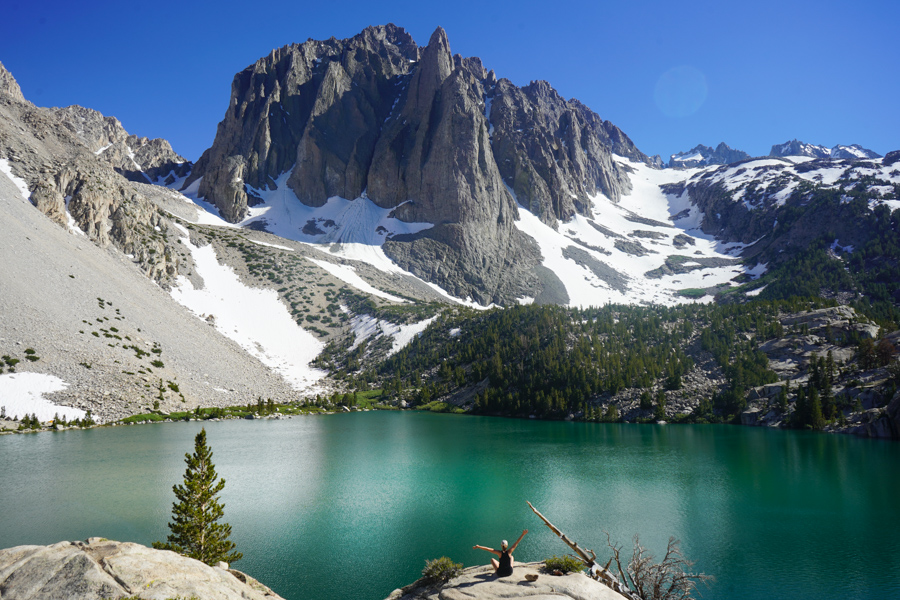
Big Pine Lakes is one of those awesome hiking trails that feels almost unfairly photogenic. The turquoise lakes, stark Sierra backdrop, and flexible itinerary make it a favorite for hikers and backpackers alike.
Why it stands out
- Some of the most photogenic alpine lakes in the U.S.
- Easy to tailor to your energy level
- Great mix of day hiking and overnight potential
Outdoor Doer tip
Don’t assume you need to do every lake to make the trip worthwhile. Sometimes hiking on the trail with enough time to linger, swim, and enjoy camp is better than racing for mileage.
11. Teton Crest Trail, Wyoming
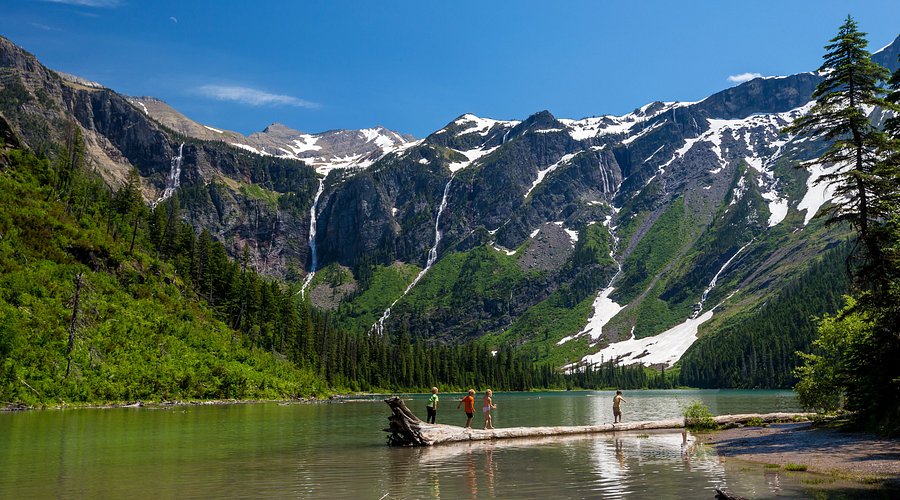
For hikers who dream in passes, ridgelines, and big camps, the Teton Crest Trail is one of the best hiking trails in the mountain West. It’s scenic, demanding, and full of those views that make you stop mid-step.
Why it stands out
- A premier backpacking objective
- Constant mountain drama
- A great step up for experienced hikers wanting a major route
Best for
- Backpackers with solid fitness
- People comfortable with weather shifts and route planning
- Hikers seeking amazing hiking trails beyond day-hike lists
Outdoor Doer tip
This trail rewards people who practice efficient camp systems. Fast setup, storm readiness, and water awareness matter as much as trail fitness.
12. Avalanche Lake, Glacier National Park, Montana
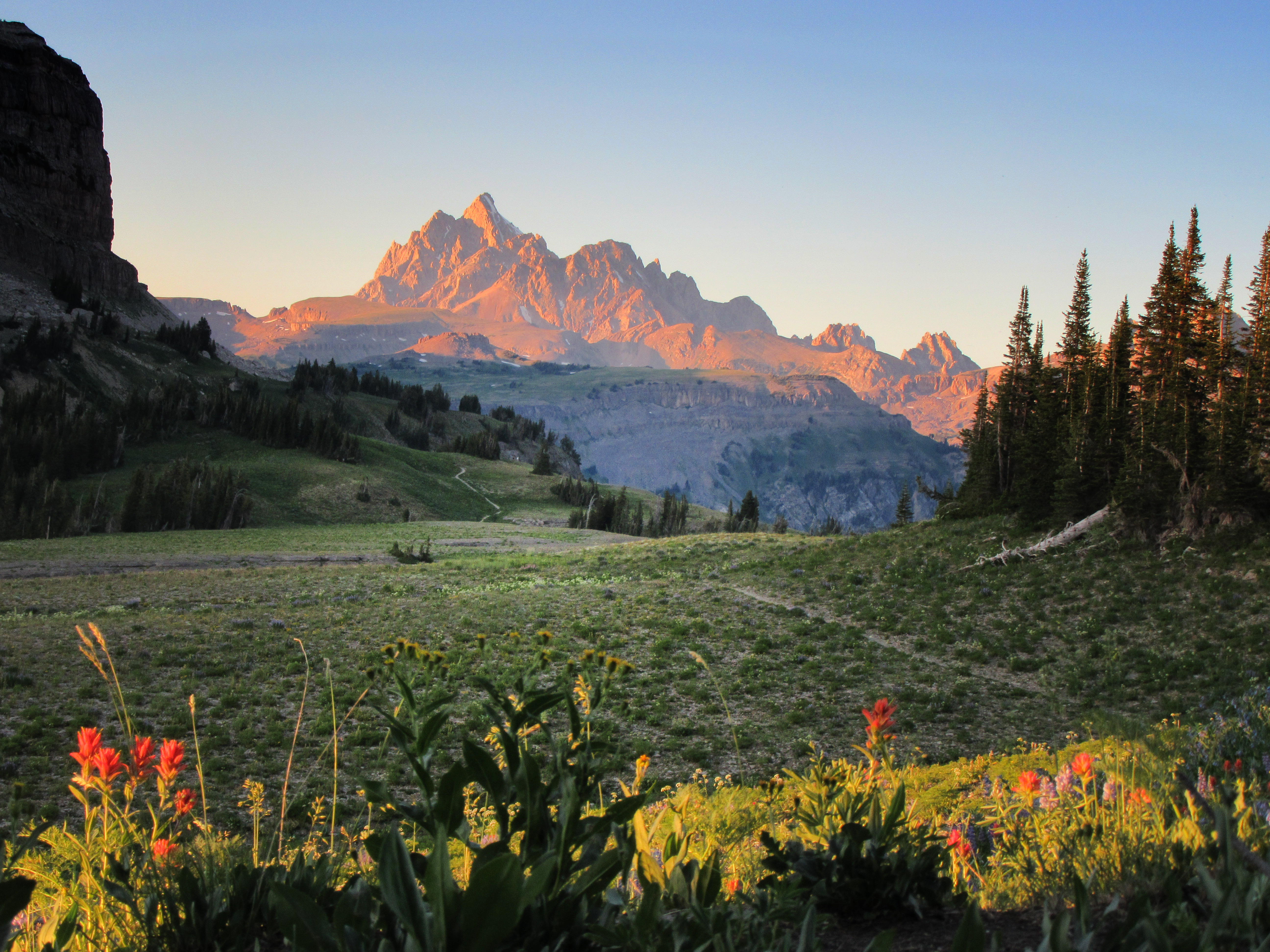
Not every trail on this list is brutal. Avalanche Lake is one of the nicest hiking trails for beginners, families, or anyone wanting big scenery without a huge sufferfest.
Why it stands out
- Accessible distance
- Classic Glacier beauty
- A great introduction to hiking on trails in major national parks
Outdoor Doer tip
This is a smart “rest day hike” if you’re building a bigger Glacier itinerary with tougher routes on surrounding days.
13. Longs Peak, Colorado
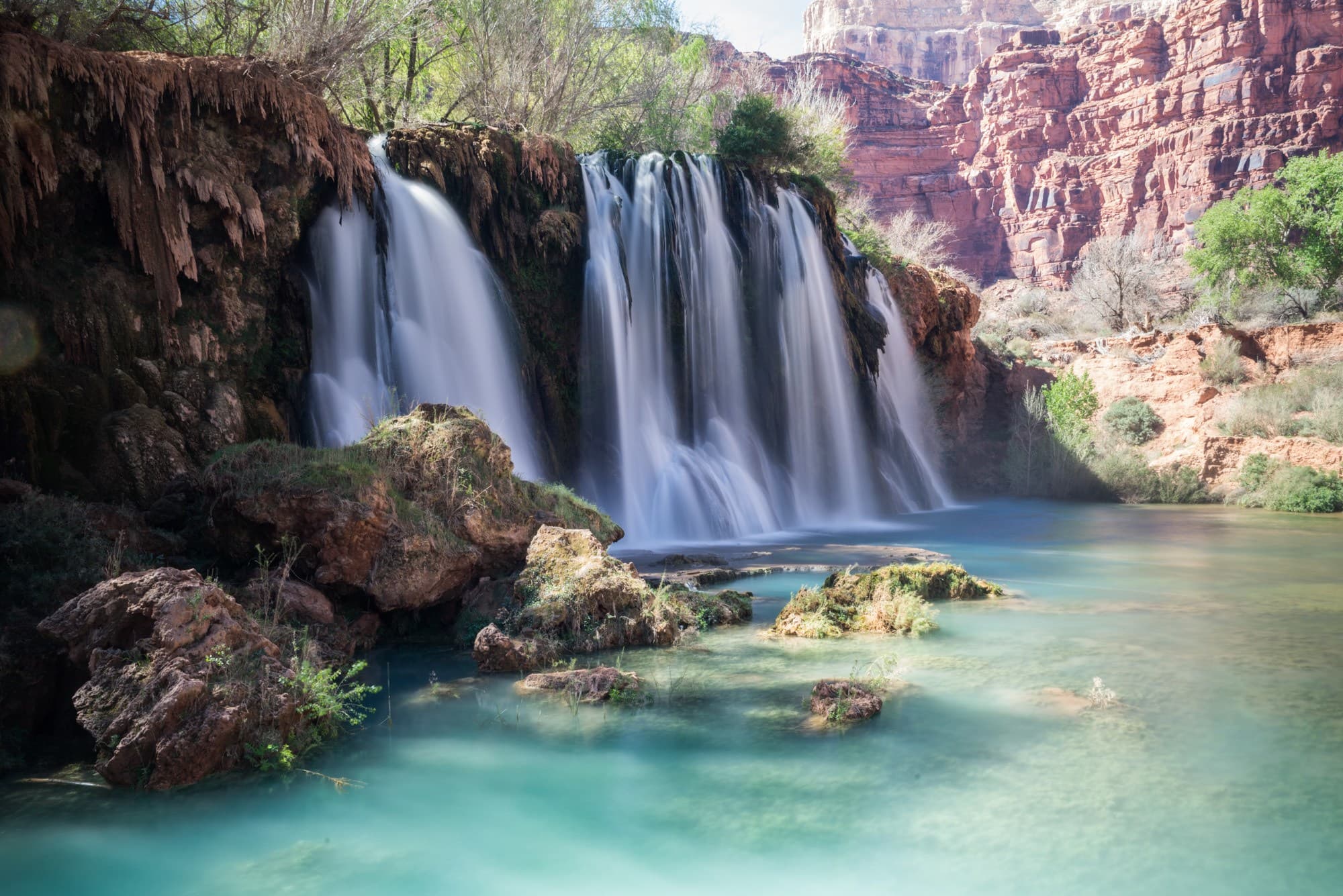
Longs Peak is one of the most serious day-hike objectives on this list. It combines altitude, distance, route complexity, and exposure into a summit bid that deserves respect.
Why it stands out
- A classic Colorado 14er experience
- Huge sense of accomplishment
- Strong appeal for experienced mountain hikers
Know before you go
- Alpine starts are mandatory
- Afternoon storms are a major danger
- Route-finding becomes more important above the Keyhole
Outdoor Doer tip
Practice on easier Colorado peaks first. Good hiking judgment is built progressively, and Longs is a much better experience when it’s not your first big altitude day.
14. Havasupai Trail, Arizona
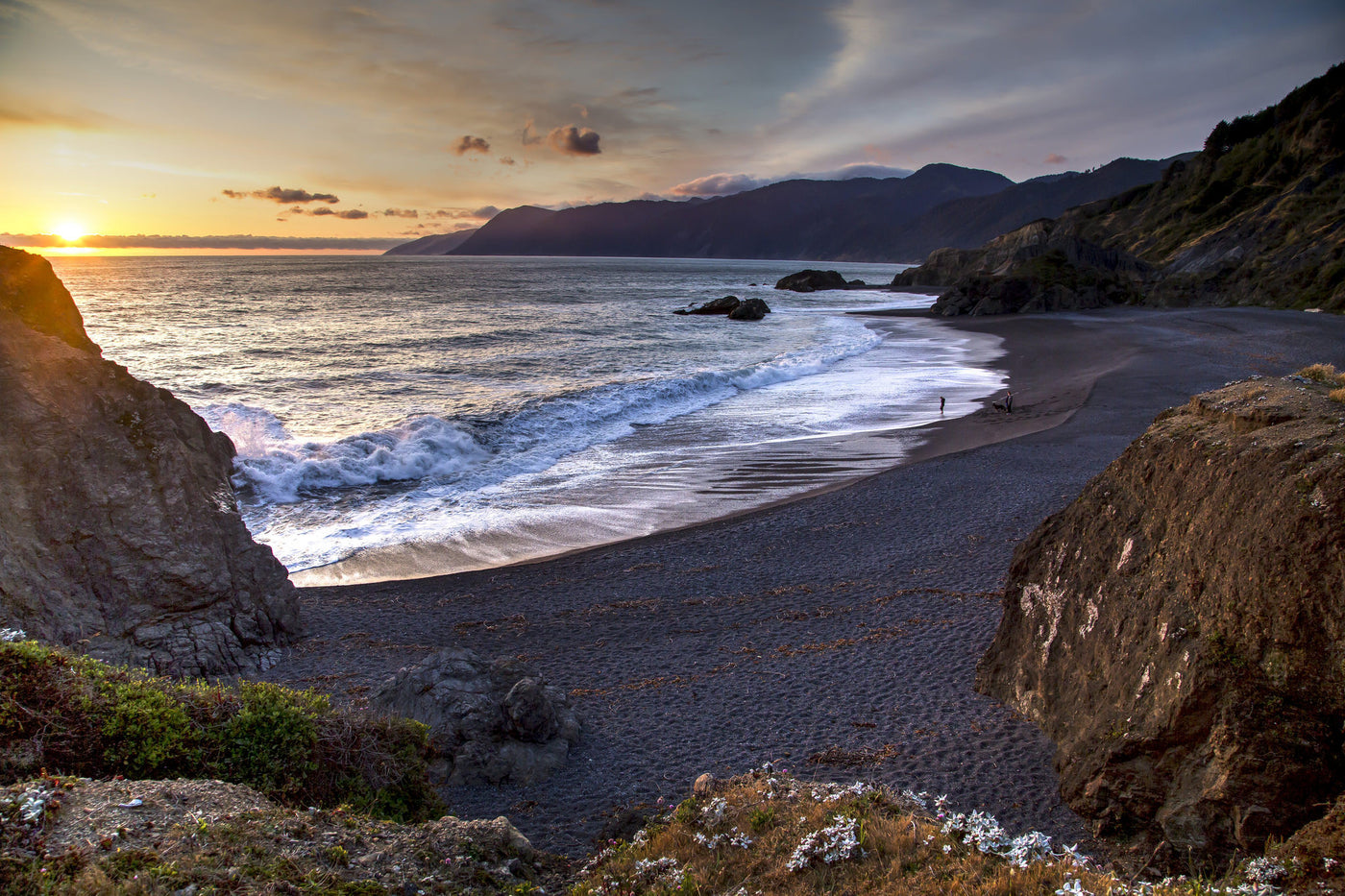
Havasupai is one of the most sought-after hiking trails and camping experiences in the Southwest. The big draw is obvious: surreal blue-green water and striking canyon walls.
Why it stands out
- One of the most visually distinctive hikes in the U.S.
- Great for hikers who love swimming, camping, and canyon scenery
- More immersive than a standard waterfall day hike
Know before you go
- Reservations are extremely competitive
- Flash flood awareness is essential
- Respect for tribal land and rules is non-negotiable
Outdoor Doer tip
This is a trail where etiquette matters as much as gear. Travel thoughtfully, pack out thoroughly, and treat access as a privilege.
15. Lost Coast Trail, California
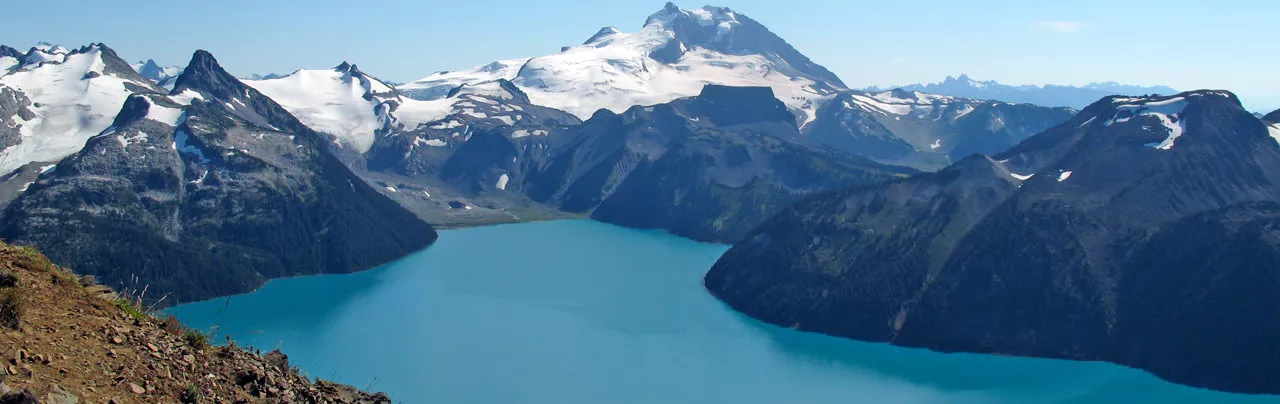
If you want a backpacking route that feels remote, moody, and very different from mountain-heavy lists, the Lost Coast Trail delivers. It combines tides, black sand, bluffs, and isolation into a memorable trip.
Why it stands out
- Unique coastal backpacking experience
- One of the best hikes for hikers who want something less conventional
- Great choice for seasoned backpackers looking beyond the usual alpine classics
Outdoor Doer tip
This trail is all about timing. Tide charts are not optional reading here – they are the route plan.
Best Trails by Hiker Type
To make the list more useful, here’s a quick way to match trails to your goals.
Best for beginners
| Trail | Why it works |
|---|---|
| Avalanche Lake | Shorter distance, huge reward |
| Beehive Loop | Short mileage if you’re comfortable with exposure |
| Big Pine Lakes | Flexible turnaround points |
Best for experienced day hikers
| Trail | Why it works |
|---|---|
| Half Dome | Iconic challenge |
| Franconia Ridge Loop | Big ridge views with manageable mileage |
| Highline to Grinnell Glacier Overlook | Long, scenic, rewarding |
Best for backpackers
| Trail | Why it works |
|---|---|
| John Muir Trail | Classic long-distance Sierra route |
| Teton Crest Trail | Major alpine traverse |
| Lost Coast Trail | Unique coastal wilderness |
| Kalalau Trail | Remote tropical coast |
Best for dramatic scenery
| Trail | Why it works |
|---|---|
| Havasupai Trail | Waterfall and canyon color contrast |
| Cascade Pass to Sahale Arm | Glacier and peak density |
| Grand Canyon Rim to River | Geological scale |
| Big Pine Lakes | Color and alpine setting |
What Competitor Lists Usually Miss
A lot of “best hiking trails” articles do a fine job naming famous routes, but they often skip the details that actually help readers plan. Here are the biggest gaps we aimed to fix:
1. Trail fit matters more than trail fame
A famous trail is not automatically the right trail for your current fitness, comfort with exposure, or planning bandwidth.
2. Scenic quality isn’t the same as overall experience
Some hikes have one big viewpoint. Others are excellent from the parking lot to the finish. The best hiking on trails usually includes both journey and destination.
3. Permits and access can make or break a trip
Half Dome, Angel’s Landing, Havasupai, the JMT, and many backcountry routes require real lead time.
4. Safety belongs in every recommendation
Exposure, heat, storms, wildlife, snow, and tides deserve mention whenever people are choosing among top hiking trails.
5. Camping changes the value equation
Some trails are good day hikes. Others become exceptional when you stay overnight. That matters for hikers searching for hiking trails and camping trips rather than quick photo stops.
Practical Planning Tips for Any Scenic Hike
Match the trail to your real skill level
It’s better to crush a moderate trail than suffer through a famous one you weren’t ready for.
Start earlier than you think
This helps with parking, weather, crowds, and energy management.
Learn the special risks
- Desert hikes: heat and water
- Coastal hikes: tide and erosion
- Alpine hikes: storms and exposure
- Canyon hikes: flash floods
- Bear country: food storage and awareness
Respect permits and local regulations
Good access depends on good behavior. Stay on trail, follow waste rules, and honor closures.
Train specifically
If you want to improve your hiking a trail experience, prepare for elevation gain, pack weight, and time on feet – not just gym workouts.
Final Thoughts
The best hiking trails in the U.S. are not just the ones with the biggest names. They’re the routes that give you the right mix of scenery, challenge, safety, and memorable time outdoors for where you are right now as a hiker.
Maybe that means tackling Half Dome or Longs Peak. Maybe it means easing into nature hiking with Avalanche Lake or the Beehive. Maybe it means planning the backpacking trip you’ve talked about for years on the John Muir, Teton Crest, or Lost Coast Trail.
Wherever you start, the goal is the same: more confidence, better preparation, and more rewarding days outside.
At Outdoor Doer, that’s exactly what we help with – expert trail guidance, honest gear advice, planning resources, and practical outdoor know-how that makes adventure feel more possible. If you’re ready to go beyond inspiration and actually get out there, Outdoor Doer is the companion to bring along before your next trip.